Selling a house is often ranked as one of life’s most stressful events, sitting right up there with starting a new job or navigating a major life change. It is a complex dance between financial strategy, emotional detachment, and logistical precision. However, it does not have to be an overwhelming ordeal. By understanding the market dynamics and following a structured approach, you can transform the process from a daunting task into a rewarding victory. Whether you are a first-time seller or a seasoned property investor, the goal remains the same: selling your home quickly and for the best possible price.
Phase 1: Pre-Market Preparation and Depersonalization






Before the first potential buyer even sets foot on your driveway, the work begins. Preparation is the foundation of a successful sale. Most buyers today are looking for a ‘turn-key’ property—a home where they can envision their own lives without seeing the ghosts of the previous owner’s clutter. This is where the concept of ‘depersonalization’ comes in. You want to remove family photos, eccentric decor, and excessive collections. The goal is to create a blank canvas that allows the buyer to paint their own future on your walls.
Deep cleaning is non-negotiable. This goes beyond a simple vacuum and dust; it involves steam-cleaning carpets, polishing fixtures, and ensuring that every corner of the house smells fresh. Odors—whether from pets, cooking, or dampness—can be a major deal-breaker. Additionally, tackle those minor repairs you have been putting off for years. That leaky faucet, the chipped paint on the baseboards, or the loose door handle might seem small to you, but to a buyer, they represent a lack of maintenance that could hint at larger, hidden problems.
Phase 2: Strategic Pricing and Market Research
Pricing your home is perhaps the most critical decision you will make. Set the price too high, and your listing will sit stale on the market for months, eventually requiring a price cut that looks desperate. Set it too low, and you leave money on the table. To find the ‘sweet spot,’ you need to conduct a Comparative Market Analysis (CMA). Look at recently sold homes in your immediate area that are similar in size, condition, and age.
Remember that the market determines the value, not your emotional attachment or the amount of money you spent on renovations. A formal appraisal can also provide a solid baseline. In a formal yet casual sense: think of pricing like a first date. You want to be attractive enough to get a ‘yes’ for a second meeting, but you don’t want to over-promise things you can’t deliver. Using psychological pricing—such as listing at $499,000 instead of $500,000—can also keep you within the search filters of more potential buyers.
Phase 3: The Power of Staging and Professional Photography
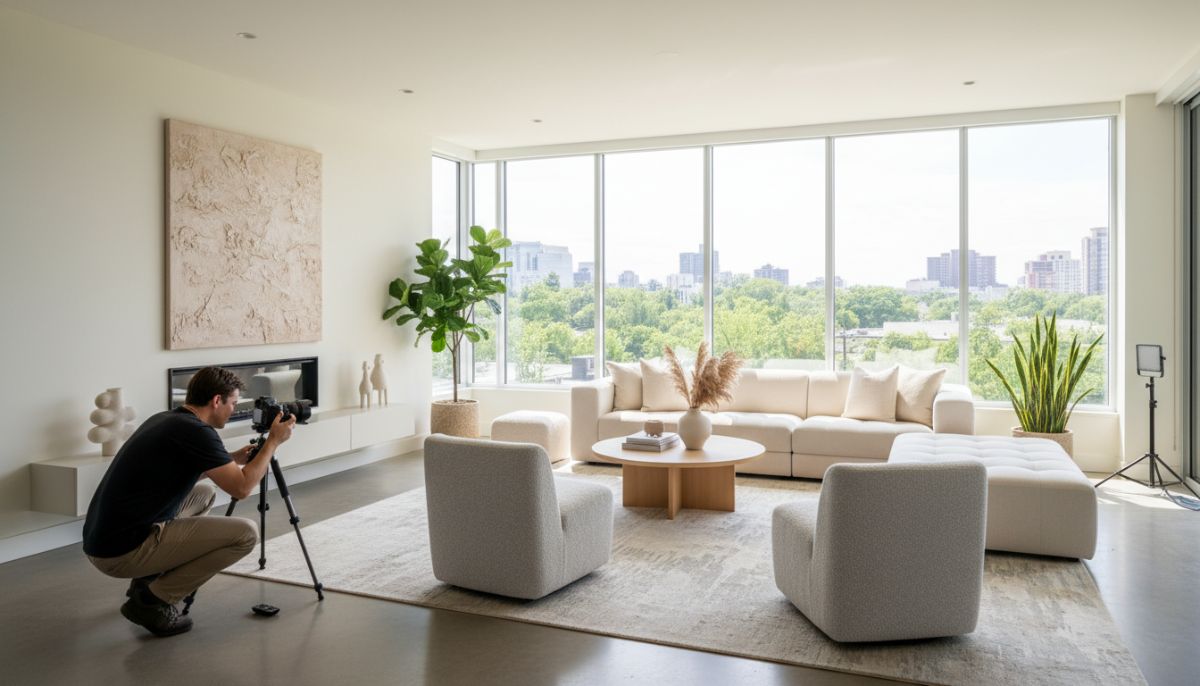
We live in a visual age. Over 95% of buyers start their home search online, which means your digital presence is your first—and often only—chance to make an impression. Professional photography is no longer a luxury; it is a necessity. High-quality images that utilize natural light and wide-angle lenses can make a space feel inviting and expansive.
Staging takes this a step further by arranging furniture and decor to highlight the home’s strengths and downplay its weaknesses. If a room is small, removing a bulky sofa can open it up. If a room lacks a clear purpose, such as a strange nook under the stairs, staging it as a reading corner or a home office adds perceived value.
Phase 4: Marketing and Exposure
Once the house is ready and the price is set, it is time to shout it from the rooftops. While listing on the Multiple Listing Service (MLS) is standard, a proactive marketing strategy includes social media promotion, virtual tours, and traditional ‘For Sale’ signage. Open houses can also be effective, not just for finding a buyer, but for generating a sense of urgency. When multiple people are viewing the house at the same time, it creates a competitive atmosphere.
Don’t underestimate the power of ‘curb appeal.’ The exterior of your home is the first thing people see in person. Mowing the lawn, planting fresh flowers, and painting the front door can significantly increase the perceived value of the property before the buyer even steps inside.
Phase 5: Navigating Offers and Negotiations
When the offers start rolling in, take a breath. It is easy to get caught up in the excitement of a high number, but the ‘best’ offer isn’t always the one with the highest price. You need to look at the terms and contingencies. Is the buyer pre-approved for a mortgage? Are they asking for an inspection contingency that allows them to back out easily? Do they have a house to sell before they can buy yours?
Negotiation is a delicate art. Be prepared to counter-offer on points like the closing date or repair credits. A formal, transparent communication style with the buyer’s agent is key. Keep your emotions in check; this is a business transaction. If a buyer asks for a credit for a roof repair, don’t take it personally. Use it as an opportunity to move the deal closer to the finish line.
Phase 6: The Final Stretch and Closing
Once you have accepted an offer and signed the contract, you enter the ‘under contract’ or ‘escrow’ phase. This is where the buyer will perform their due diligence, including home inspections and appraisals. Be prepared for some back-and-forth during this period. If the inspection reveals major issues, you may need to renegotiate the price or agree to make repairs.
The final step is the closing day, where the title is transferred, and the keys are handed over. Ensure all your paperwork is in order and that the house is in the ‘broom-clean’ condition promised in the contract. Moving out is a hectic process, so plan your logistics well in advance to avoid any last-minute stress that could delay the legal handover.
Conclusion: Your Successful Exit
Selling a house is a marathon, not a sprint. It requires patience, strategy, and a bit of a thick skin. By preparing your home meticulously, pricing it smartly, and marketing it aggressively, you put yourself in the best possible position for a smooth and profitable sale. While the process involves many moving parts, staying organized and working with the right professionals—like experienced real estate agents and photographers—can make all the difference. Good luck with your sale; a new chapter awaits!