Foreclosures Near Me: Your Guide To Understanding, Finding, And Evaluating Properties

The Allure of the ‘Foreclosures Near Me’ Search
In the ever-evolving landscape of real estate, there is a specific phrase that has consistently topped search engine queries for decades: “foreclosures near me.” To many, these properties represent the ultimate diamond in the rough—a chance to secure a home or an investment property at a price significantly below market value. However, the world of distressed real estate is not merely about finding a bargain; it is about navigating a complex legal and financial labyrinth. If you are looking to step into this arena, you need more than just luck. You need a structured approach to understanding, finding, and evaluating these unique opportunities.
Foreclosure is essentially the legal process by which a lender attempts to recover the balance of a loan from a borrower who has stopped making payments. This is done by forcing the sale of the asset used as the collateral for the loan. While the concept sounds straightforward, the execution varies wildly depending on local laws and the specific stage of the foreclosure process. This guide is designed to demystify that process and provide you with the tools to make an informed decision.






Understanding the Lifecycle of a Foreclosure
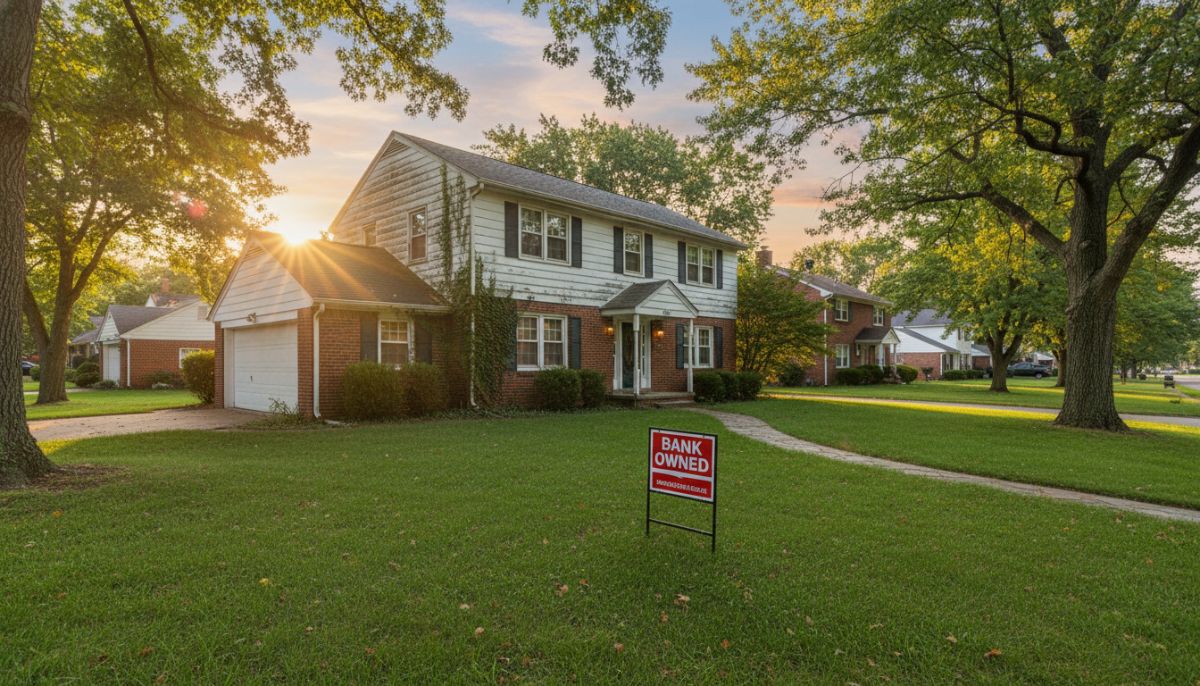
Before you start driving through neighborhoods looking for “Bank Owned” signs, it is crucial to understand that not all foreclosures are created equal. The stage at which you encounter a property determines how much you will pay, how much risk you take on, and how much competition you will face.
1. The Pre-Foreclosure Phase
This is the period after the homeowner has defaulted on their mortgage but before the property is put up for public auction. During this time, the owner may still have the opportunity to sell the home themselves to pay off the debt—often referred to as a “short sale.” For buyers, this phase offers the advantage of being able to inspect the home and negotiate directly with the owner (and their bank). It is a more traditional transaction style, albeit one that can be painfully slow as banks take their time approving the sale price.
2. The Courthouse Steps: The Public Auction
If the pre-foreclosure period ends without a resolution, the property moves to a public auction. This is where things get intense. Auctions are typically cash-only affairs, meaning you need to have the full purchase price ready in the form of a cashier’s check. You often cannot inspect the interior of the home before bidding, and you are buying the property “as-is.” This stage is where the deepest discounts are found, but it is also where the highest risks reside, such as undisclosed liens or major structural damage.
3. Real Estate Owned (REO) Properties
If a property does not sell at auction, the lender (usually a bank) takes ownership of it. These are known as Real Estate Owned or REO properties. Banks are not in the business of managing real estate; they want these assets off their books. While REO properties are usually listed on the MLS (Multiple Listing Service) and are easier to purchase with traditional financing, the discounts are typically smaller than at the auction stage because the bank has likely performed some basic maintenance or cleared title issues.
How to Find Foreclosures in Your Area
Knowing what to look for is half the battle; knowing where to look is the other half. When searching for “foreclosures near me,” you should leverage a multi-channel approach to ensure you aren’t missing out on hidden gems.
Online Listing Sites
Websites like Zillow, Foreclosure.com, and RealtyTrac are excellent starting points. They aggregate data from various sources and provide a user-friendly interface to filter by location, price, and foreclosure status. However, be aware that some of these sites may have a delay in updating their data. Always cross-reference with other sources.
Local Government Records
For the most up-to-date and raw data, head to your local County Recorder’s office or their official website. Look for “Notice of Default” (NOD) or “Notice of Trustee’s Sale” (NOTS) filings. This is public information and will give you a head start on properties that haven’t even hit the mainstream listing sites yet.
Specialized Real Estate Agents
Not all real estate agents are equipped to handle foreclosures. Seek out agents who hold a ‘Short Sales and Foreclosure Resource’ (SFR) certification. These professionals have relationships with asset managers at banks and understand the specific paperwork and negotiation tactics required to close these deals.
Evaluating the Property: Beyond the Surface
Once you have found a property that piques your interest, the real work begins. Evaluation is where fortunes are made or lost. Since many foreclosures are sold “as-is,” you must be prepared for the worst while hoping for the best.
The Physical Inspection
If you have access to the property (common in REO and Pre-foreclosure, rare in Auction), hire a professional inspector. Look specifically for signs of neglect: mold, foundation cracks, or stripped copper plumbing. If you cannot enter the property, perform a “drive-by” inspection. Look at the roof line, the condition of the exterior paint, and the neighborhood’s overall upkeep. A poorly maintained yard often signals a poorly maintained interior.
The Title Search
This is perhaps the most critical step. A property might have a low price tag, but it could be saddled with secondary mortgages, tax liens, or contractor liens. If you buy the property, you might inherit these debts. Always conduct a thorough title search through a reputable title company to ensure the title is “clear and marketable.”
Financing and the Cost of Entry
While the dream is to buy a home for pennies on the dollar, the reality involves significant capital. If you are buying at an auction, you need liquid cash. However, for REO properties, you can often use conventional or FHA loans. Some lenders even offer specialized renovation loans, like the FHA 203(k), which allows you to bundle the purchase price and the cost of repairs into a single mortgage.
Remember to factor in “holding costs.” These include property taxes, insurance, and utilities that you will have to pay while you are renovating the home before it’s ready for move-in or resale.
Conclusion: Navigating the Risks for a Rewarding Result
Searching for “foreclosures near me” can be the start of a highly profitable journey, but it is not a path for the faint of heart. It requires a blend of patience, financial readiness, and a keen eye for detail. By understanding the different stages of the process, utilizing both digital and local resources for your search, and conducting rigorous due diligence, you can minimize your risks. Whether you are looking for your forever home or your next investment flip, foreclosures offer a unique avenue to build wealth in real estate—provided you treat the process with the professional respect it demands.