The Dream of Ownership: Why Land is the Ultimate Asset
There is something fundamentally satisfying about owning a piece of the Earth. Whether you are dreaming of a sprawling backyard for your children to play in, a quiet woodland retreat to escape the city’s roar, or a strategic investment that will appreciate over decades, the search for “land for sale near me” is often the first step toward a lifelong goal. Unlike developed real estate, raw land represents pure potential. It is a blank canvas where your vision can take root, free from the architectural constraints of someone else’s previous renovations.
In today’s fluctuating economy, land remains one of the most stable long-term investments. It is a finite resource—they aren’t making any more of it, after all. However, finding the right plot requires more than just a quick search; it demands a blend of local knowledge, due diligence, and a clear understanding of your own objectives. In this guide, we will explore the nuances of finding and purchasing the perfect property in your local area, ensuring that your investment is as solid as the ground beneath your feet.






Defining Your “Why”: What Kind of Land Do You Need?
Before you start driving through rural roads or scrolling through digital listings, you must define the purpose of your purchase. Not all land is created equal, and the “perfect” plot depends entirely on your end goal.
Residential Land: Building Your Custom Legacy
If your goal is to build a home, your search should focus on residential lots. Here, proximity to schools, hospitals, and grocery stores becomes paramount. You also need to consider the “buildability” of the lot. Is the soil suitable for a foundation? Is the slope manageable for construction? Buying a residential lot allows you to customize every corner of your living space, but it also requires a keen eye for utility access and local zoning codes.
Investment and Speculation
Some buyers look for land purely as a financial vehicle. Buying land on the outskirts of a growing metropolitan area can yield significant returns as urban sprawl eventually increases the demand for that space. For these buyers, the “near me” factor is about finding the path of progress—where the city is headed in five to ten years.
Agricultural and Recreational Plots
Perhaps you want to start a small organic farm, or maybe you just want a place to hunt, fish, or go off-roading. Agricultural land often comes with different tax incentives and zoning regulations. Recreational land, on the other hand, might be rugged and remote, prioritizing natural beauty and privacy over convenience.
Navigating the Search: Tools and Tactics
Finding the right land for sale requires a multi-pronged approach. While the internet has made the process easier, it hasn’t replaced the need for boots-on-the-ground exploration.
Digital Listings and Map Tools
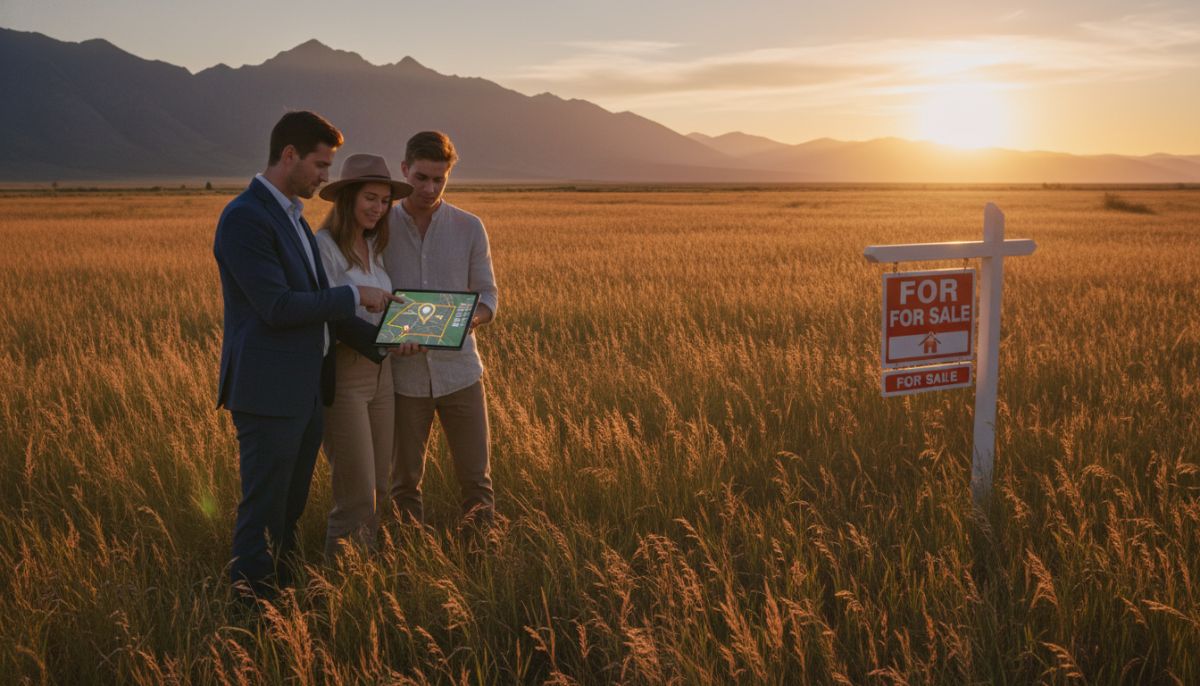
Start your search with major real estate platforms, but don’t stop there. Niche websites dedicated specifically to land sales often have more detailed information regarding acreage, soil types, and topography. Use satellite imagery to get a bird’s-eye view of the surrounding area. Are there industrial plants nearby? Is there a hidden swamp at the back of the property? Digital tools can help you filter out the duds before you spend gas money on a site visit.
The Power of Local Expertise
Working with a real estate agent who specializes in land is invaluable. Land transactions are significantly different from residential home sales. A specialist will understand things like mineral rights, water access, and local easements that a generalist might overlook. Furthermore, they often have access to “pocket listings”—properties that are for sale but haven’t hit the public market yet.
The Critical Phase: Due Diligence
Once you’ve found a plot that catches your eye, the real work begins. You cannot take land at face value. What looks like a perfect meadow in July might be a flood zone in March.
Zoning and Restrictions
Every piece of land is governed by zoning laws. These dictate what you can and cannot do with the property. Can you raise livestock? Can you build a multi-story structure? Are there restrictive covenants from a homeowners’ association (HOA)? Always visit the county planning department to verify the current zoning and any future development plans for the surrounding area.
Access and Utilities
One of the most expensive surprises for new land buyers is the cost of bringing utilities to the site. If the land is “off-grid,” you’ll need to factor in the cost of a well, a septic system, and potentially solar or wind power. Even if the land is near a city, if the nearest power line is half a mile away, the cost to extend that line can be staggering. Additionally, ensure the property has legal “deeded access.” You don’t want to buy a beautiful plot only to realize you have to cross a neighbor’s private driveway to get to it.
Financing Your Land Purchase
It is important to note that financing land is typically more difficult than financing a pre-built home. Banks view raw land as a higher risk because there is no immediate collateral (like a house) to move into. Consequently, you may encounter higher down payment requirements—often 20% to 50%—and slightly higher interest rates.
However, there are specialized options. If you are buying agricultural land, look into farm credit unions or government-backed loans for farmers. If you plan to build immediately, a “construction-to-permanent” loan can cover both the land purchase and the building costs in a single closing.
Making the Offer and Closing the Deal
When you are ready to make an offer, remember that everything is negotiable. Beyond the price, you can negotiate the closing date, who pays for the survey, and contingencies. A contingency is a clause that allows you to back out of the deal if certain conditions aren’t met—such as the land failing a “perc test” (which determines if the soil can support a septic system).
Never skip a professional survey. Property lines marked by old fences or trees are often inaccurate. A modern survey ensures you know exactly where your boundaries lie, preventing future disputes with neighbors.
Conclusion: Your Future Starts with the Right Foundation
Finding “land for sale near me” is more than a transaction; it is the beginning of a new chapter. Whether you are seeking a sanctuary, a workspace, or a legacy for your children, the right piece of property serves as the foundation for your dreams. By doing your homework, consulting with experts, and staying patient, you can find a plot that provides both emotional satisfaction and financial security.
The search might take time, and the due diligence might feel tedious, but when you finally stand on your own soil and look out over your own horizon, you’ll know it was worth every effort. Start your search today—your perfect piece of property is out there, waiting to be discovered.