Buy My House: Essential Tips For Selling Your Property Fast and For Top Dollar

Selling a home is more than just a financial transaction; it is a major life milestone that often combines emotional attachment with the complexity of real estate law and market economics. Whether you are upgrading to a larger space, downsizing for retirement, or relocating for a new career opportunity, the phrase “buy my house” represents the start of a significant journey. To ensure that this journey ends with a successful sale at the best possible price, homeowners must approach the process with a strategic mindset and meticulous preparation.
Understanding the Modern Real Estate Market






The real estate landscape has evolved dramatically over the last decade. While traditional methods like open houses and yard signs still hold value, the vast majority of buyers now begin their search online. This shift means that your property’s digital footprint is just as important as its physical curb appeal. To capture the attention of serious buyers, you need to present a home that looks impeccable both in high-resolution photographs and in person. Understanding local market trends—such as the average days on market and the current inventory of similar homes—is the first step in positioning your property competitively.
Enhancing Curb Appeal: The Power of First Impressions
Before a potential buyer even steps through the front door, they have already formed an opinion based on the exterior of your home. Enhancing curb appeal is often the most cost-effective way to increase your property’s value. Simple tasks like pressure washing the driveway, painting the front door a welcoming color, and ensuring the lawn is neatly manicured can make a world of difference. Consider adding fresh mulch to flower beds or placing potted plants near the entryway to create an inviting atmosphere that says, “This home is well-cared for.”
De-cluttering and Neutralizing the Interior
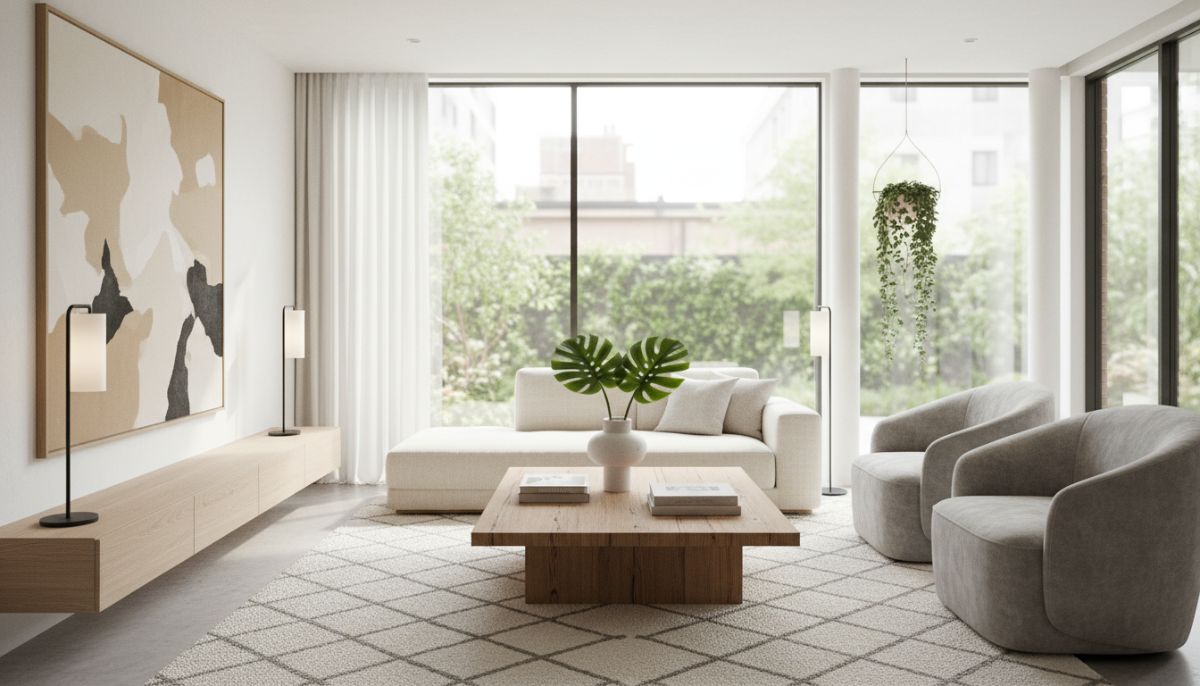
One of the most challenging aspects of preparing a house for sale is removing the personal elements that make it feel like your home. Prospective buyers need to be able to visualize themselves living in the space. This means de-cluttering every room, removing family photos, and neutralizing bold paint colors. A fresh coat of off-white or light gray paint can make a room feel larger and brighter. The goal is to create a blank canvas that appeals to the widest possible audience. Remember, less is almost always more when it comes to staging; open spaces allow the architecture and layout of the home to shine.
The Art of Strategic Pricing
Pricing your home is a delicate balancing act. If you price it too high, you risk having the property sit on the market for months, which can lead to a “stale” listing that buyers eventually ignore or assume has hidden defects. Conversely, pricing it too low might result in a quick sale but leave thousands of dollars on the table. A Comparative Market Analysis (CMA) provided by a real estate professional is essential. This report looks at recently sold homes in your area that are similar in size, condition, and features. In a competitive market, some sellers choose to price slightly below market value to spark a bidding war, which can ultimately drive the final price higher than the initial asking amount.
Professional Photography and Digital Marketing
In today’s visual-centric world, amateur photos taken on a smartphone are no longer sufficient. Professional real estate photography is a non-negotiable investment. High-quality images that use wide-angle lenses and optimal lighting will highlight your home’s best features and make it stand out on listing platforms like Zillow, Realtor.com, and the MLS. Furthermore, consider adding a 3D virtual tour or drone footage for larger properties. These tools allow remote buyers to experience the layout of the home from their own screens, significantly increasing the pool of interested parties.
Navigating Showings and Open Houses
When your home is officially on the market, you must be prepared for showings at a moment’s notice. This requires keeping the house in “showroom condition” at all times—dishes put away, beds made, and bathrooms sparkling. While it can be inconvenient, flexibility is key. The more accessible your home is to potential buyers, the faster it will sell. During showings, it is generally recommended that the owners are not present. Buyers feel more comfortable exploring the space and discussing their thoughts openly when they don’t feel like they are intruding on the current owner’s privacy.
Negotiation and Closing the Deal
Receiving an offer is an exciting moment, but it is only the beginning of the final phase. Not all offers are created equal; besides the purchase price, you must carefully consider the buyer’s financing (pre-approval status), the earnest money deposit, and any contingencies they have requested, such as a home inspection or the sale of their current property. A skilled negotiator will help you navigate these details to ensure the deal doesn’t fall through. Once an agreement is reached, the escrow process begins, involving inspections, appraisals, and a mountain of paperwork. Staying organized and responsive during this time will ensure a smooth transition to the closing table.
Conclusion: Your Path to a Successful Sale
Selling your property is a multi-faceted project that requires preparation, patience, and a bit of professional guidance. By focusing on curb appeal, strategic pricing, and high-quality marketing, you transform your home from a personal sanctuary into a highly desirable product. While the process may seem daunting at first, following these essential tips will empower you to say “buy my house” with confidence, knowing that you have done everything possible to secure a successful and profitable sale. The key is to stay objective, stay prepared, and keep your eyes on the goal of a fresh start in your next home.